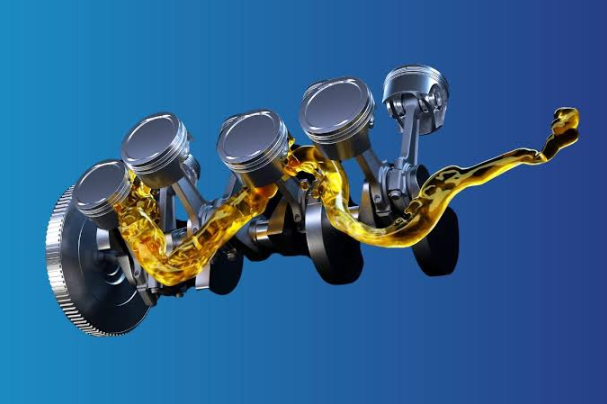

Metal forming lubricants play a critical role in manufacturing operations that shape, bend, stamp, draw, or extrude metal. These specialized fluids help manage friction, reduce tool wear, protect workpiece surfaces, and support consistent production. However, finding the right lubricant requires more than choosing a product from an industrial supply catalog.
Different metal forming processes place different demands on lubrication. A lubricant suitable for light stamping may not provide the film strength needed for deep drawing or cold heading. Material composition, forming pressure, operating temperature, application methods, and downstream cleaning requirements also influence product selection.
For manufacturers purchasing metal forming lubricants, understanding these variables is essential to making an informed decision. This guide explains where to find metal forming lubricants, how to evaluate suppliers, what to consider before purchasing, and how to establish a reliable supply relationship.
Understanding Metal Forming Lubricants and Their Applications
Metal forming lubricants are specialized industrial fluids or compounds designed to reduce friction between metal workpieces and forming equipment during deformation.
Unlike machining lubricants used primarily in material removal processes, metal forming lubricants support operations that reshape metal without intentionally removing significant material.
These products help control friction, reduce surface damage, limit tool wear, and support material flow during forming.
Common applications include:
- Metal stamping: Lubricants reduce friction between sheet metal, dies, and forming surfaces during stamping operations.
- Deep drawing: Lubricants help control material movement as sheet metal is drawn into complex shapes.
- Tube bending: Specialized lubricants reduce friction and surface damage during tube forming operations.
- Cold heading: Lubricants support high-pressure deformation when manufacturing fasteners and other formed components.
- Metal extrusion: Lubricants help manage friction and material flow as metal passes through a forming die.
- Roll forming: Lubricants provide friction control and surface protection during continuous forming operations.
Each process creates different lubrication requirements. Manufacturers should identify their specific operating conditions before contacting suppliers.
See also: How Companies Use Blockchain Technology
Where Can Manufacturers Purchase Metal Forming Lubricants?
Metal forming lubricants are available through industrial chemical manufacturers, specialized lubricant suppliers, industrial distributors, and custom formulation providers.
The best purchasing channel depends on production volume, application complexity, technical requirements, and the level of support needed.
1. Industrial Chemical Manufacturers
Industrial chemical manufacturers develop and produce lubricants for manufacturing applications.
Purchasing directly from a manufacturer provides access to technical product information and, depending on the company’s capabilities, formulation expertise and application support.
Direct purchasing is particularly relevant for manufacturers operating high-volume production lines or processes with demanding lubrication requirements.
Industrial chemical manufacturers also serve operations that require consistent product specifications across multiple facilities.
2. Specialized Metal Forming Lubricant Suppliers
Specialized suppliers focus on lubricants used in forming processes such as stamping, drawing, extrusion, and cold heading.
These suppliers understand how lubrication requirements change with forming pressure, material composition, die geometry, and production speed.
When evaluating specialized suppliers, manufacturers should review their experience with the intended application and request appropriate technical documentation.
A supplier’s familiarity with a particular forming operation is more valuable than the number of lubricants listed in its catalog.
3. Industrial Supply Distributors
Industrial distributors offer access to lubricants from multiple manufacturers.
This purchasing channel is useful for operations that need standard products, smaller quantities, or consolidated purchasing across several industrial supply categories.
However, distributors differ in their ability to provide application-specific technical guidance.
Manufacturers should determine whether technical support comes directly from the distributor or through the original lubricant manufacturer.
4. Custom Chemical Formulation Providers
Some metal forming operations require lubricants with characteristics that standard products do not adequately address.
Custom chemical formulation providers develop application-specific products based on defined performance requirements.
These requirements may involve:
- Particular metal alloys or surface finishes.
- High forming loads and demanding die geometries.
- Residue limitations before welding, coating, or assembly.
- Compatibility with existing cleaning processes.
- Specific application equipment or fluid delivery systems.
- Operational requirements related to fluid handling and maintenance.
Custom formulation requires technical evaluation, testing, and qualification. Manufacturers should establish measurable performance requirements before pursuing this purchasing route.
How to Choose the Right Metal Forming Lubricant
Selecting a metal forming lubricant begins with understanding the manufacturing process rather than comparing product prices.
The following factors influence lubricant performance and purchasing decisions.
Identify the Metal Being Formed
Different metals respond differently to forming pressure, friction, and lubrication.
Steel, stainless steel, aluminum, copper, and other alloys have distinct mechanical and surface characteristics.
For example, stainless steel forming operations require careful attention to adhesive wear and galling. Aluminum forming processes require consideration of surface appearance, lubricant compatibility, and downstream finishing.
Manufacturers should provide suppliers with the specific alloy, material condition, and relevant surface requirements.
Evaluate Forming Pressure and Process Severity
Lubricants must perform under the contact pressures and sliding conditions generated during forming.
Light-duty stamping and severe deep drawing place different demands on the lubricant film.
When lubrication is insufficient, manufacturers can experience scoring, galling, excessive die wear, inconsistent material flow, and rejected components.
A supplier should evaluate the severity of the forming operation before recommending a lubricant.
Consider Application Methods
Metal forming lubricants are applied through several methods, including spraying, rolling, brushing, dipping, and automated dispensing systems.
The selected lubricant must work with the existing application equipment.
Viscosity, fluid distribution, wetting behavior, and the amount of lubricant delivered to the forming surface affect application consistency.
Purchasing a lubricant without evaluating its delivery method creates unnecessary production risk.
Review Cleaning and Finishing Requirements
The forming process is often only one stage in manufacturing.
After forming, components may undergo washing, welding, coating, plating, painting, or assembly.
Lubricant residues can interfere with these downstream operations when the fluid is not compatible with the required cleaning and finishing processes.
Manufacturers should communicate downstream requirements before purchasing a product.
Account for Operating Conditions
Temperature, production speed, contact pressure, tool materials, and environmental conditions influence lubrication performance.
Fluid selection should account for the complete operating environment.
A lubricant that performs well during a short trial must also demonstrate acceptable performance during normal production cycles.
Comparing Different Types of Metal Forming Lubricants
Metal forming lubricants are available in several formulation categories. Each has characteristics that influence performance, application, maintenance, and cleanup.
| Lubricant Type | General Characteristics | Purchasing Considerations |
| Oil-based lubricants | Provide lubricating films for a range of forming operations | Residue, viscosity, application method, and cleaning |
| Water-based lubricants | Use water as a carrier or continuous phase in suitable formulations | Concentration control, corrosion protection, and fluid maintenance |
| Synthetic lubricants | Use engineered chemical components to provide selected performance characteristics | Compatibility, operating conditions, and formulation requirements |
| Semi-synthetic lubricants | Combine selected oil-based and synthetic components, often in water-dilutable systems | Stability, maintenance, residue, and process compatibility |
| Paste and solid-film lubricants | Provide specialized lubrication for selected demanding forming applications | Application, coating consistency, removal, and downstream processing |
These categories are broad classifications rather than performance guarantees. The specific formulation determines whether a lubricant is appropriate for an application.
Step-by-Step Process for Purchasing Metal Forming Lubricants
A structured purchasing process helps manufacturers avoid unnecessary product trials, inconsistent performance, and supply disruptions.
Step 1: Document Your Manufacturing Requirements
Before contacting suppliers, collect information about the forming operation.
Important details include the metal alloy, forming process, equipment, production volume, lubricant application method, current performance problems, and downstream cleaning requirements.
Manufacturers replacing an existing lubricant should also document why the current product is being reconsidered.
Common reasons include excessive tool wear, residue problems, corrosion, inconsistent performance, and procurement concerns.
Step 2: Identify Qualified Suppliers
Search for suppliers with demonstrated experience in industrial metal forming applications.
Useful search terms include “metal forming lubricant manufacturer,” “industrial stamping lubricant supplier,” “drawing lubricant manufacturer,” and “custom metal forming lubricant formulation.”
Review supplier websites for relevant product categories, technical documentation, application expertise, and purchasing information.
Industry referrals and existing manufacturing supply relationships are additional sources of qualified suppliers.
Step 3: Request Technical Documentation
Before selecting a lubricant, request available technical data sheets and safety data sheets.
Technical data sheets describe product characteristics and intended applications. Safety data sheets provide information concerning hazards, handling, storage, and protective measures.
Review both documents with the appropriate production, engineering, and environmental health and safety personnel.
Do not assume that lubricants within the same product category have identical handling requirements.
Step 4: Discuss Your Application With the Supplier
A productive supplier conversation should address more than product availability.
Explain the process, materials, production requirements, and operational problems.
Ask how the supplier evaluates lubricant performance and whether the company provides application-specific technical assistance.
This discussion helps determine whether an existing product is appropriate or further testing is necessary.
Step 5: Request a Sample or Production Trial
Where practical, evaluate the proposed lubricant under controlled production conditions before committing to a larger purchase.
A trial should measure relevant operational factors, including:
- Part quality and surface finish.
- Tool wear and evidence of galling.
- Forming consistency.
- Lubricant consumption.
- Residue and cleaning performance.
- Compatibility with application equipment.
- Fluid maintenance requirements.
Compare the results against established production standards and the lubricant currently in use.
Step 6: Evaluate Pricing and Supply Terms
Once technical suitability is established, request a commercial quotation.
Confirm the product price, package sizes, minimum order quantities, freight terms, lead times, and available purchasing arrangements.
For high-volume operations, discuss bulk supply options and anticipated delivery schedules.
Step 7: Establish an Ongoing Purchasing Relationship
After product qualification, document the approved lubricant, purchasing specifications, and applicable handling procedures.
Coordinate with the supplier regarding order quantities, delivery schedules, and technical support.
Consistent communication helps manufacturers manage changes in production demand and avoid unnecessary interruptions.
What Does It Cost to Purchase Metal Forming Lubricants?
Metal forming lubricant pricing depends on formulation, packaging, purchase volume, supplier arrangements, and application requirements.
Specialized formulations and products manufactured in smaller quantities can carry different purchasing costs than standard industrial lubricants.
However, unit price alone does not establish the total cost of using a lubricant.
Manufacturers should evaluate the broader operating costs associated with each product.
These include lubricant consumption, application efficiency, cleaning requirements, waste management, tool replacement, and production interruptions.
For example, a lower-priced lubricant that requires more frequent application or creates additional cleaning work can increase total operating expenses.
Conversely, a higher-priced lubricant must demonstrate sufficient operational value to justify its cost.
The most useful purchasing comparison is the total cost of lubrication per acceptable finished component, measured under representative production conditions.
Questions to Ask a Metal Forming Lubricant Supplier
Supplier evaluation should include technical, operational, and commercial considerations.
Before purchasing, ask the following questions:
- What experience do you have with our specific forming process and metal alloy?
- Which products are intended for our operating conditions?
- What technical documentation is available?
- Can we conduct a controlled production trial?
- How should we evaluate lubricant performance?
- What are the cleaning and residue considerations?
- What packaging sizes and bulk purchasing options are available?
- What are your standard lead times and minimum order quantities?
- How are product consistency and manufacturing quality managed?
- What technical support is available after purchasing?
The answers provide a practical basis for comparing suppliers beyond price.
Common Mistakes When Buying Metal Forming Lubricants
Manufacturers can avoid several purchasing problems by addressing technical requirements early.
Choosing Based Only on Price
Low purchase prices do not necessarily translate into low production costs.
Lubricant performance affects consumption, tool maintenance, cleaning, and part quality.
Evaluate overall operating costs before making a purchasing decision.
Assuming All Forming Lubricants Are Interchangeable
Products intended for different forming applications are not automatically interchangeable.
Differences in formulation, viscosity, additive chemistry, and residue characteristics affect suitability.
Any proposed substitution should undergo appropriate technical review and qualification.
Ignoring Downstream Processes
A lubricant must support the entire manufacturing sequence.
Residue that remains after forming can create problems during cleaning, coating, or other finishing operations.
Include downstream process requirements in supplier discussions.
Skipping Production Testing
A product recommendation is not a substitute for validation.
Testing under representative production conditions helps identify performance issues before full implementation.
Overlooking Supply Reliability
Lubricant shortages can disrupt manufacturing even when the product itself performs well.
Review supplier lead times, production capacity, packaging availability, and order management practices before establishing a long-term purchasing arrangement.
Working With PICO Chemical for Metal Forming Lubricants
Manufacturers evaluating metal forming lubricants can include PICO Chemical in their supplier research.
At PICO Chemical, we focus on industrial and specialty chemical products used in demanding manufacturing environments. Our work in metal forming lubricants and custom chemical formulation supports discussions about process requirements, lubricant selection, and application-specific challenges.
We encourage manufacturers to begin with the operational details that matter most: the metal being formed, the equipment involved, the severity of the forming process, and the performance requirements of the finished component.
For operations evaluating lubricant changes, our technical discussions focus on understanding the application and identifying an appropriate path for product evaluation.
Manufacturers can learn more about our industrial chemical capabilities at PICO Chemical.
Frequently Asked Questions About Buying Metal Forming Lubricants
Where is the best place to buy metal forming lubricants?
Industrial chemical manufacturers and specialized metal forming lubricant suppliers are appropriate starting points. They provide access to application-specific products and technical information. Industrial distributors are another purchasing option, particularly for standard lubricants and smaller orders. The best supplier depends on the manufacturing process, required quantities, technical complexity, and level of support needed.
Can metal forming lubricants be purchased in bulk?
Yes. Industrial lubricant suppliers commonly offer larger packaging and bulk purchasing arrangements for qualifying products and order volumes. Available quantities, packaging configurations, and minimum order requirements vary by supplier. Manufacturers should discuss anticipated consumption and delivery schedules before establishing a bulk purchasing agreement.
What is the difference between stamping oil and drawing lubricant?
Stamping oils are formulated for selected sheet metal stamping operations, while drawing lubricants are designed to support material movement and deformation during drawing processes. The categories overlap, and some formulations serve both applications. Selection depends on material, forming severity, tooling, and finished-part requirements rather than the product name alone.
How do I know whether a metal forming lubricant is compatible with my equipment?
Review the lubricant’s technical documentation and consult the supplier about the equipment, seals, hoses, pumps, application system, and operating conditions. Compatibility must also account for the workpiece material and downstream processes. Where necessary, conduct controlled testing before introducing the lubricant into full-scale production.
Should manufacturers buy standard or custom-formulated lubricants?
Standard lubricants are appropriate when an existing formulation satisfies the process requirements. Custom formulation becomes relevant when specific operating conditions, material characteristics, or downstream requirements are not adequately addressed by available products. The decision should follow a technical evaluation of performance requirements and the results of product testing.
What safety precautions are necessary when purchasing and handling metal forming lubricants?
Manufacturers should obtain the product’s current safety data sheet and review its handling, storage, exposure control, and disposal information. Personnel should follow site-specific safety procedures and applicable regulatory requirements. Required protective equipment and handling practices depend on the actual formulation and operating conditions.
How can manufacturers reduce metal forming lubricant purchasing costs?
Manufacturers should evaluate lubricant consumption, tool wear, cleaning expenses, waste management, and rejected parts alongside the purchase price. Standardizing approved products, controlling application rates according to supplier guidance, and coordinating purchasing volumes can also support cost management. Any change should preserve the required process performance and safety standards.
Conclusion: Finding the Right Metal Forming Lubricant Supplier
Purchasing metal forming lubricants is both a technical and commercial decision. The right product must support the manufacturing process, protect equipment, maintain finished-part quality, and fit the operation’s purchasing requirements.
Manufacturers should begin by documenting their applications, identifying qualified suppliers, reviewing technical documentation, and conducting appropriate product trials. Once performance has been established, pricing, availability, and ongoing supplier support become essential parts of the decision.
For operations with demanding forming requirements, working directly with an experienced industrial chemical manufacturer provides an opportunity to evaluate lubrication needs alongside broader production considerations.
At PICO Chemical, we welcome conversations about metal forming applications, industrial lubrication requirements, and the chemical products used to keep manufacturing operations moving.